Introduction
In the world of tobacco products, unique regional varieties have gained popularity for their distinct characteristics and cultural significance. One such product is Naswar, a smokeless tobacco preparation primarily used in South Asia, particularly in countries like Pakistan, Afghanistan, and India. But what exactly is naswar? How does it compare to other tobacco products like snus and snuff? In this article, we'll delve deep into the fascinating realm of naswar, exploring its history, usage, health implications, and much more.
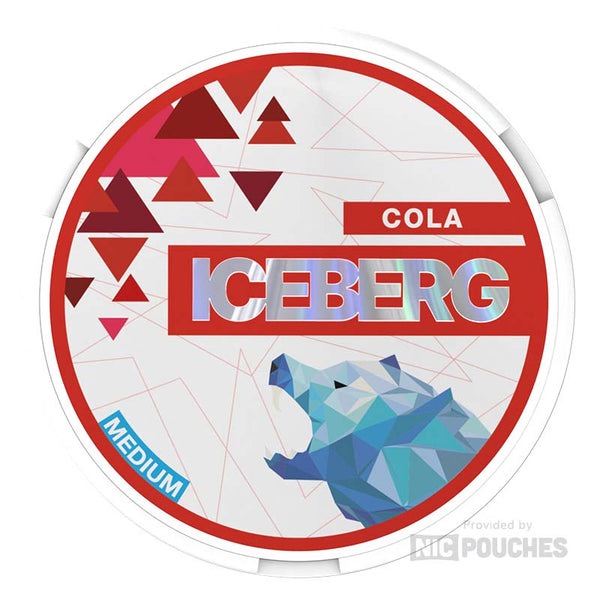
What Is Naswar?
Naswar is a finely ground form of tobacco mixed with various flavoring agents and spices. Unlike traditional smoking methods, naswar is consumed orally by placing it between the lip and gum. The combination of nicotine absorption through the mucous membranes provides users with a quick hit of nicotine without the need for combustion. Naswar is often seen as a culturally significant product—often associated with local traditions and community practices.
The Ingredients of Naswar
One might wonder, "What’s in naswar?" Typically, naswar consists of:
- Finely ground tobacco Water Lime (calcium hydroxide) Flavorings (like cardamom or mint)
These ingredients contribute not only to the taste but also to its stimulating effects.
How Is Naswar Made?
The production process of naswar can vary by region but generally involves:
Cultural Significance
Historical Context
Naswar has been used for centuries in various regions as a means of social interaction and relaxation. It's often shared among friends during https://how-does-snus-work-pmby894751726229293715.theglensecret.com/exploring-the-health-benefits-claimed-by-some-users-of-nicotine-pouches gatherings or ceremonies.
Modern Usage
Today, naswar continues to play an essential role in social settings across South Asia. Its accessibility compared to cigarettes makes it popular among many demographics.
Comparing Naswar with Other Tobacco Products
What Is Snus?
Snus is a Swedish smokeless tobacco product that differs from naswar primarily in its preparation and use. Snus comes in small pouches that are placed under the upper lip, while naswar is usually fine powder placed between lip and gum.
Is Snus Bad For You?
While both products contain nicotine, studies suggest that snus may carry fewer health risks than smoking cigarettes but still poses potential dangers such as gum disease or other oral issues.
What Is Snuff?
Snuff refers to powdered tobacco that can be inhaled through the nose or placed in the mouth. Like nasal snuff used historically in Europe, it offers different flavors compared to naswar's unique blend.
How Does Snus Work?
Both snus and naswar work on similar principles—they deliver nicotine without combustion—leading to quick absorption into the bloodstream.
Health Implications of Using Naswar
Nicotine Addiction Risks
Many users begin with casual use but may find themselves addicted due to nicotine's addictive properties present in all forms of tobacco—including naswar.
Oral Health Concerns
Long-term use can lead to severe dental issues such as gum disease, tooth decay, and even cancer risk—a concern shared across many smokeless tobacco forms including snus and snuff alike.
FAQs About Naswar
1. Can You Swallow Naswar?
Swallowing naswar isn't advisable; it can cause nausea or other gastrointestinal distress.
2. Is Naswar Legal?
The legality varies by country; while it's commonly accepted in South Asia, regulations differ globally.
3. What Does Naswar Do?
When consumed correctly, it provides a stimulating effect through nicotine release which can enhance focus temporarily.
4. Are There Flavored Varieties of Naswar?
Yes! Various flavorings like mint or cardamom are often added to enhance user experience.
5. How Long Does It Last When Used?
The effects generally last about 30 minutes; however, this can vary depending on individual metabolism and product strength.
6. Why Do Athletes Use Naswar?
Some athletes believe it enhances concentration during competitions; however, this practice carries significant health risks too!
Conclusion
In summary, naswar stands out as an intriguing smokeless tobacco option steeped in tradition yet facing modern scrutiny regarding its health implications. Understanding what is naswar helps us appreciate not only its cultural significance but also highlights the importance of informed choices regarding tobacco consumption. Whether compared against snus or snuff—or considered within various cultural contexts—naswar remains a relevant topic worthy of exploration in today’s rapidly evolving landscape surrounding tobacco products.

By examining both its historical roots and contemporary use cases alongside broader trends in tobacco consumption—including various alternatives—this article aims to provide comprehensive insight into "What Is Naswar? Exploring This Regional Tobacco Product."