Introduction
In recent years, there's been a growing conversation surrounding tobacco products, particularly dip tobacco and snus. Many individuals interested in these alternatives often wonder: What is dip tobacco and how does it compare to snus? This article will provide an in-depth exploration of both products, examining their similarities, differences, health implications, and usage methods. By the end, you should have a clearer understanding of how these two forms of tobacco stack up against one another.

What Is Dip Tobacco?
Dip tobacco, commonly referred to as chewing tobacco or simply "dip," is a smokeless form of tobacco made from cured and shredded leaves. Users typically place a pinch between their gums and lips, allowing nicotine to absorb into the bloodstream through the mucous membranes.
The Composition of Dip Tobacco
Dip tobacco usually consists of various types of cured tobacco leaves mixed with sweeteners, flavorings, and preservatives. The specific ingredients can vary widely among brands but may include:
- Tobacco Leaves: The primary ingredient that provides nicotine. Flavorings: Common flavors include mint, wintergreen, and fruit. Sweeteners: Sugar or other sweet substances are often added to enhance taste. Preservatives: These help maintain freshness and shelf life.
How Is Dip Used?
Using dip is relatively straightforward. Users take a small amount (a "pinch") from the can or pouch and place it between their lower lip and gum. While some people prefer the upper lip for placement, this method can lead to increased saliva production.
Health Implications of Dip Tobacco
While many users enjoy dip for its convenience and flavor variety, it's essential to recognize the potential health risks associated with its use:
- Gum Disease: Long-term use can lead to gum recession and periodontal disease. Oral Cancer: There is a significant link between dip use and oral cancer due to prolonged exposure to carcinogenic compounds. Nicotine Addiction: Like other forms of tobacco, dip contains nicotine, which can create dependency over time.
What Is Snus?
Snus is another smokeless tobacco product that originates from Sweden. Unlike dip tobacco, snus is steamed rather than fermented during its production process. This unique preparation method makes it less harmful compared to traditional chewing tobaccos.
The Composition of Snus
Snus also consists mainly of finely ground tobacco leaves but is generally less processed than dip:

- Tobacco Leaves: The core component providing nicotine. Moisture Content: Snus typically has higher moisture content than dip. Flavoring Agents: Various flavors like mint or citrus are available.
How Is Snus Used?
Using snus involves placing a pouch directly in the mouth—typically between the upper lip and gums. Users can leave it there for an extended period without needing to spit out excess saliva.
Health Implications of Snus
Though snus is marketed as a less harmful alternative to smoking cigarettes or dipping tobacco, it still poses health risks:
- Cancer Risk: While studies suggest that snus has a lower risk for certain cancers compared to smoking or dipping, it's not entirely risk-free. Gum Health Concerns: Similar to dip users, snus consumers may experience gum-related issues over time.
Comparing Dip Tobacco and Snus
The conversation around what is dip tobacco and how does it compare to snus often highlights both products' similarities and differences.
1. Production Methods
- Dip: Typically fermented; this process results in different flavors but also introduces more harmful substances. Snus: Steamed; this lowers some harmful compounds typically found in smokeless tobaccos.
2. Usage Techniques
- Dip: Placed between the lip/gum; requires regular spitting due to increased saliva production. Snus: Pouch placed between upper lip/gum; no need for spitting as it's designed for longer use without generating excess saliva.
3. Health Risks
- Dip: Higher risk for oral cancers due to fermentation processes. Snus: Generally perceived as lower-risk but still carries notable health concerns related to gum disease and potential cancers.
Are There Any Regulations Around Dip Tobacco and Snus?
Understanding regulations surrounding these products enhances our grasp on their safety profiles in various countries.
1. Legal Status
- In many countries including the USA:
- Both products are legal but regulated concerning age restrictions (usually requiring users to be 18+). Sales are often restricted in public places like schools or near youth centers.
2. Product Availability
- Availability varies significantly by region:
- In Europe: Snus enjoys popularity but faces stricter regulations compared with dip. In North America: Both products are prevalent but face scrutiny regarding health campaigns against them.
FAQs
Q1: What happens if you swallow snus?
Swallowing snus can lead to nausea or stomach discomfort since it's not meant for ingestion. https://3mg-snus-cdjg389665853323896759.cavandoragh.org/what-does-snus-do-effects-on-your-body If swallowed accidentally, drink water immediately.
Q2: Can you reuse snus?
No! Once used, snus should be disposed of properly as reusing it diminishes flavor quality and hygiene.
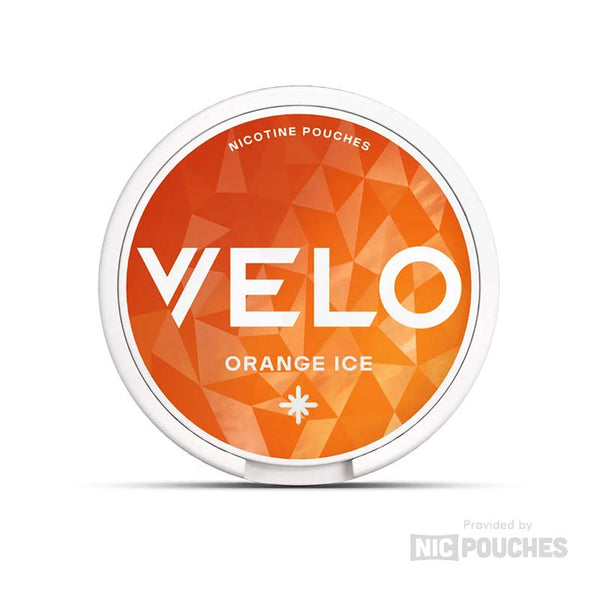
Q3: Are nicotine pouches safe?
Nicotine pouches claim reduced harm due to lacking traditional tobacco components; however, they still deliver nicotine which poses addiction risks.
Q4: How long does snus last once opened?
Once opened, typical shelf life ranges from six months up to a year if stored correctly in cool conditions away from sunlight.
Q5: Is snuff different from dip?
Yes! Snuff refers primarily to powdered smokeless tobacco inhaled through the nose whereas dip involves placing larger cut pieces between gums/lips.
Q6: Why do footballers use snus?
Many athletes use snus because it delivers quick energy boosts through nicotine without impacting performance like cigarettes would during games/practices.
Conclusion
In summary, understanding what is dip tobacco and how does it compare to snus offers valuable insights into smokeless alternatives available today. While both options provide unique experiences tailored toward individual preferences—whether they be flavor profiles or usage methods—they each carry inherent health risks we must acknowledge responsibly. Ultimately choosing between them should come down not only personal enjoyment but informed decision-making based on comprehensive knowledge surrounding their effects on our bodies over time.
This exploration into dip tobacco versus snus serves as a helpful guide that empowers readers with facts necessary for making better choices about their consumption habits while fostering awareness about potential implications tied into their usage patterns going forward!